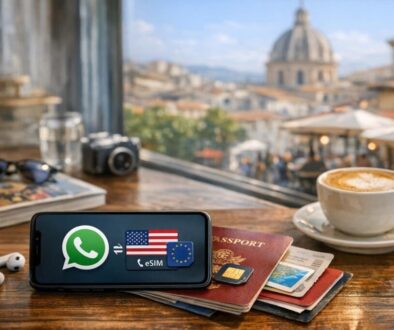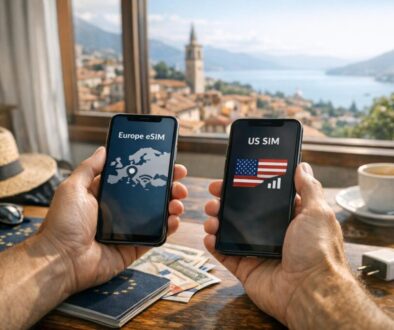

If you’re asking can a Telstra phone work in Europe, the short answer is usually yes — but there’s an important catch. Your phone may physically work just fine, while your service, roaming access, or costs are a different story.
For many Australian travellers, the real question isn’t just whether the phone turns on overseas. It’s whether you can keep using your Australian number, get mobile data without surprise charges, and stay connected across multiple European countries without hassle. If that sounds like your trip, it’s worth comparing Telstra roaming with alternatives such as a Europe travel eSIM before you leave. Roamzy Connect offers Europe travel connectivity options that may be a better fit than roaming for some travellers; check the current plan details before purchasing.
In this guide, we’ll break down what needs to be checked before departure, how Telstra roaming works in Europe, and when a travel eSIM or local SIM may make more sense.

Can I Use My Telstra Phone in Europe?
What “using your phone in Europe” actually means
When people ask can a Telstra phone work in Europe, they usually mean one of three things:
- Can the phone connect to European mobile networks?
- Can I keep my Australian Telstra number?
- Can I use calls, texts, and data without huge charges?
The answer depends on both the device and the service attached to it. A Telstra phone may be able to connect to overseas networks, but only if roaming is available on your plan and your device is ready for international use.
Does Telstra coverage work internationally?
Telstra is an Australian provider, so your domestic plan does not automatically work the same way overseas. International use generally depends on Telstra’s roaming arrangements, your specific plan, and whether roaming has been enabled before you travel.
If you want a broader explanation of how roaming works, Roamzy’s Best eSIM for Europe guide is a useful place to compare travel connectivity options before committing to carrier roaming.
What You Need to Check Before You Go
Before you leave Australia, take a few minutes to make sure your setup is travel-ready. These checks matter whether you’re heading to Italy, France, Spain, the UK, Greece, or a multi-country Europe trip.
Is your phone unlocked?
If you want to use a local SIM or travel eSIM from a different provider, your phone generally needs to be unlocked. A locked phone may only work with Telstra service, which limits your options if roaming is expensive or unavailable.
If you’re not sure how to check, Roamzy’s guide on installing an eSIM on a Samsung smartphone and installing an eSIM on an Apple iPhone can help you understand the setup process once you’ve confirmed your device is compatible.
Is your device compatible with European networks?
Most modern smartphones sold in Australia support the major mobile bands used in Europe, but compatibility is not guaranteed for every model. Older phones may have trouble connecting properly, especially for fast data.
If your phone is new and purchased through Telstra, it will often work overseas on supported networks, but you should still check the handset specifications and roaming support before you leave.
Does your Telstra plan include roaming?
This is one of the most important checks. Some Telstra plans may support international roaming, while others may not. Even when roaming is supported, the charges can vary a lot depending on the country and service type.
Because roaming pricing can change, it’s best to check Telstra’s current international roaming information directly before travel. For official travel advice on staying connected and managing costs overseas, Australian Government Smartraveller is also a useful reference for general travel planning.
Are roaming settings turned on?
Your phone may need both network-side and device-side roaming settings enabled. On your phone, mobile data roaming is often switched off by default to prevent accidental charges. If it stays off, you may arrive in Europe and find your phone can make emergency connections or use Wi-Fi, but not mobile data through Telstra roaming.
Turn roaming on only if you understand the likely cost and want to use your Telstra service overseas.
How Telstra Roaming Works in Europe
Calls, texts, and data
If your Telstra plan supports roaming and you’ve enabled it, your phone may be able to make calls, send texts, and use data in Europe the same way it does at home — but on international terms and pricing.
That usually means:
- Calls may be charged per minute or billed under your roaming arrangement
- Texts may be included, charged separately, or available at a different rate
- Data is often the biggest cost risk, especially for maps, messaging, social media, and app syncing
If you’re travelling with family or working remotely, data use can climb quickly without you noticing. That’s why many travellers compare Telstra roaming with a travel eSIM before departure.
What to expect from roaming charges
Roaming can be convenient, but it is often the most expensive way to stay connected overseas. The exact cost depends on your Telstra plan, the country you’re visiting, and how much you use your phone.
Because these charges can change, don’t rely on old advice from friends or forums. Check your current Telstra account details and the provider’s latest roaming information before you fly. If you’d prefer a simpler setup with clearer travel-specific usage, a Europe eSIM may be worth considering.
Which European countries are covered?
Coverage in Europe can vary by provider and by plan. Some roaming arrangements include only selected countries, while others cover broader regions. That’s why it’s important to confirm whether your exact destination is included before you travel.
For example, a trip that includes the UK, France, Italy, Switzerland, and Croatia may not be treated the same way as a single-country holiday. Always verify the current coverage list with Telstra before departure.
What Happens If You Don’t Use Roaming?
If roaming doesn’t suit your budget or your trip style, you still have a few ways to stay connected in Europe.
Wi-Fi only use
You can leave roaming off and rely on hotel Wi-Fi, airport Wi-Fi, and café Wi-Fi. This is the cheapest option, but it comes with limitations:
- No mobile data when you’re out and about
- Less reliable access for maps, rideshare apps, and messaging
- More time spent hunting for Wi-Fi passwords
Wi-Fi only can work for light travellers, but it is usually not ideal for families, cruise passengers, or anyone moving between cities.
Local SIM card option
A local SIM can be a practical option if you’re staying in one country for a while. It may provide good value, but it can also mean queueing at a store, dealing with ID requirements, and swapping SIMs in your phone.
This can be inconvenient if you’re landing late, travelling across several countries, or want to keep your Australian number active.
eSIM option
An eSIM is often the easiest alternative for Australian travellers who want mobile data in Europe without swapping physical SIM cards. If your phone supports eSIM, you can usually set it up before you leave and activate it when you arrive.
That’s especially useful for travellers who want:
- One setup for a multi-country Europe trip
- Less stress on arrival
- A way to keep their Telstra SIM in the phone for calls or SMS if needed
Roamzy Connect’s Europe travel option may suit travellers looking for a simpler alternative to roaming; just make sure you check the current product details and device compatibility before buying.
Is Telstra the Best Option for Europe Travel?
When roaming makes sense
Telstra roaming may make sense if:
- You only need your phone occasionally
- You want to keep using your Australian number for calls and texts
- You’re happy to pay for convenience
- You don’t want to manage a second SIM or eSIM setup
For short business trips or very light use, roaming can be the simplest option.
When an alternative is better
An alternative is usually better if:
- You’ll be using data every day
- You’re visiting several countries
- You want predictable costs
- You’re travelling with kids or a partner and need reliable maps, messages, and bookings
For those travellers, a travel eSIM often offers a cleaner balance of convenience and control than standard roaming.
Best Way to Stay Connected in Europe
If your main goal is to stay connected without the shock of a large roaming bill, compare these options before you leave Australia.
| Option | Best for | Pros | Cons |
|---|---|---|---|
| Telstra roaming | Short trips and light use | Keep your number, simplest setup | Can be expensive, pricing varies |
| Local SIM | Long stays in one country | Potentially good local value | Requires swapping SIMs and local purchase |
| Travel eSIM | Multi-country trips and easy setup | No physical SIM swap, usually easy to activate | Requires eSIM-compatible phone | Wi-Fi only | Very light users | No mobile plan cost | Limited freedom and reliability |
For many Australians, the best answer to can a Telstra phone work in Europe is yes — but the better question is whether Telstra roaming is the smartest way to use it. If you want a practical and flexible option, compare Roamzy’s Europe connectivity choices against your Telstra roaming cost before you go.
Compare convenience, cost, and setup
Ask yourself three simple questions:
- How much data will I use? If you’ll be using maps, translation apps, and messaging every day, roaming can add up quickly.
- How many countries am I visiting? A travel eSIM is often easier when you’re moving across Europe.
- Do I need to keep my Australian number active? If yes, you may want to keep your Telstra SIM installed while using an eSIM for data.
That combination can give you the best of both worlds: keep your Telstra number available while relying on a travel eSIM for everyday internet access.
Consider a travel eSIM option
If your phone supports it, a travel eSIM can be a practical way to avoid expensive roaming while staying connected across Europe. Roamzy Connect’s Europe eSIM page is a good starting point for checking the current plan details and compatibility notes.
What to Do If Your Phone Doesn’t Connect When You Arrive
If you land in Europe and your Telstra phone doesn’t connect, work through these steps:
- Restart the phone.
- Check that mobile data roaming is turned on.
- Make sure flight mode is off.
- Confirm the phone is set to automatically select a network.
- Check whether your Telstra roaming service was activated before departure.
- Try manual network selection if automatic connection fails.
If it still won’t connect, use Wi-Fi to access your email, banking app, or Roamzy account and check your service settings before contacting your provider.
FAQs
Can I keep my Telstra number in Europe?
Yes, you can usually keep your Australian Telstra number if you use Telstra roaming. If you use a travel eSIM for data, you may still be able to keep your Telstra SIM in the phone for calls and texts, depending on your device setup.
Will my Telstra SIM work in Europe?
It may work if your Telstra plan supports international roaming and roaming has been enabled. Always check your current plan and destination before departure, because coverage and charges can vary.
Do I need to unlock my phone?
If you want to use a different SIM or eSIM from another provider, yes, your phone generally needs to be unlocked. If you’re only using Telstra roaming, unlock status may not matter in the same way, but it’s still worth confirming before you travel.
Will I get charged for receiving calls or texts?
Possibly. Roaming rules can differ by provider and plan, so it’s important to confirm how incoming calls and texts are billed before you go. Don’t assume they are free.
Should I turn roaming on before I leave Australia?
Yes, if you plan to use Telstra roaming, it’s best to check and enable the right settings before you leave. That gives you time to fix any account or device issues while you still have easy access to support.
Is an eSIM better than roaming for Europe?
For many travellers, yes — especially if you want predictable costs, data for multiple countries, and an easier setup. A travel eSIM can be a strong alternative to carrier roaming when your main need is data rather than making overseas calls from your Australian number.
Will roaming work in all European countries?
Not always. Coverage depends on Telstra’s current roaming arrangements and the country you’re visiting. Always check your destination list directly before travel.
Final thoughts
Can a Telstra phone work in Europe? Yes, in most cases it can — but working on a European network is only part of the story. You also need the right plan, roaming settings, and a clear understanding of the costs.
For short trips and light use, Telstra roaming may be convenient. For longer holidays, multi-country itineraries, or travellers who want to avoid surprise bills, a travel eSIM is often the smarter choice. If you’re comparing options now, start with the current Telstra roaming details and then compare them with Roamzy’s Europe eSIM information before you fly.