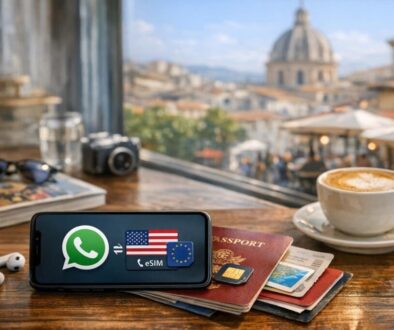

Can I Use My Optus Phone in Europe?
If you’re asking, Can I use my Optus phone in Europe?, the short answer is usually yes — but only if your phone is compatible, roaming is enabled, and your Optus plan supports international roaming in the countries you’re visiting.
That said, being able to use your phone doesn’t always mean it’s the best way to stay connected. For many Australian travellers, roaming is convenient but expensive, especially if you rely on maps, messaging, social media, or video calls. If you want a simpler way to control costs, a Europe travel eSIM from Roamzy Connect is often the smarter option for short trips and data-heavy travel.
Quick answer: yes, an Optus phone can work in Europe, but you should check your device settings, confirm roaming availability, and compare the cost against a travel eSIM before you leave.
Key takeaway: Optus roaming is best understood as a convenience option. If you want predictable data use, easier setup, and less risk of bill shock, a Europe eSIM is worth serious consideration.
Recommended for Europe trips: Roamzy Connect Europe travel eSIM for travellers who want mobile data without relying on roaming charges.
Can I Use My Optus Phone in Europe?
In most cases, yes. If your Optus phone is unlocked, supports the local European networks you’ll encounter, and your roaming settings are turned on, it can connect overseas.
But there’s an important distinction: having a phone that works is not the same as having a cheap way to use it. Many travellers assume roaming will behave like home mobile service. In practice, it can become costly quickly, especially once data is involved.
So the better question is not just whether your Optus phone can work in Europe, but whether it should be your main travel connectivity option.
How Optus Roaming Works in Europe
International roaming allows your Optus SIM to connect to partner networks overseas instead of your usual Australian network. Once your phone lands in Europe, it may automatically search for an available roaming network and connect if roaming is enabled.
Here’s what usually needs to happen before departure:
- Your phone must be unlocked
- International roaming must be available on your Optus plan
- Data roaming should be enabled on the phone
- You may need to check your account settings before you travel
Because roaming terms can change, always check Optus’ current international roaming information before you leave.
Which European countries are covered?
Coverage can depend on Optus’ current roaming partners and destination-specific terms. Europe is not always treated as one universal roaming area, so don’t assume every European country is included automatically.
Check Optus’ current international roaming country list and terms for your exact itinerary, especially if you’re visiting multiple countries such as France, Italy, Spain, Germany, or the UK on the same trip.
What settings need to be enabled?
At a minimum, you’ll usually want to check:
- Mobile data
- Data roaming
- SIM status
- International roaming on your account
- Any spending controls or roaming limits
If you’re not sure where to find these settings, it’s worth setting everything up while still in Australia and connected to Wi-Fi.
What Will It Cost to Use Optus in Europe?
This is where many travellers get caught out. Roaming costs can vary depending on your Optus plan, your destination, and whether you’re using data, making calls, or sending texts.
Instead of guessing, check Optus’ current roaming fees and any available travel packs before you travel. If your plan uses pay-as-you-go roaming, even light usage can become expensive quickly.
Typical cost triggers include:
- Maps and navigation running in the background
- Messaging apps syncing photos and videos
- Automatic app updates
- Receiving verification codes while data is active
- Using hotspot tethering for a laptop or tablet
For travellers who only need occasional access, roaming may be manageable. For everyone else, the cost can rise fast, especially on a longer Europe trip.
| Option | Best for | Watch out for |
|---|---|---|
| Optus roaming | Convenience and staying on your Australian number | Higher costs, limited value for data-heavy use |
| Travel eSIM | Predictable data use and easier cost control | Needs an eSIM-compatible phone |
| Local SIM | Longer stays in one country | Time spent buying and setting up in destination |
How to Check If Your Optus Phone Will Work
If you want to use your Optus phone in Europe, check these things before you leave.
1. Make sure your phone is unlocked
An unlocked phone can connect to overseas networks. If your device is locked to Optus, you may have trouble using a foreign SIM or eSIM later if you decide to switch.
2. Confirm your plan supports roaming
Not every plan is the same. Some Optus customers may need to activate roaming or add an international roaming option. Check your current plan details rather than assuming it’s included.
3. Check your phone’s network compatibility
Most modern smartphones work well abroad, but compatibility still matters. Europe uses mobile networks that support common global standards, yet some older or region-specific devices may perform poorly or not connect as expected.
4. Turn on data roaming at the right time
Data roaming must be on if you want mobile data overseas. Just be careful: turning it on without checking your plan can lead to unwanted charges.
5. Know how to monitor usage
Before leaving, learn how to check your data usage on your phone and through your Optus account. That way, you can avoid surprises if roaming is your fallback option.
Better Alternatives to Roaming in Europe
For many travellers, roaming is not the best balance of convenience and value. If you’re staying in Europe for more than a few days, or you expect to use your phone a lot, these alternatives are usually better.
Travel eSIM
A travel eSIM lets you activate a data plan digitally without buying a physical SIM card. This is often the easiest option for Australians heading to Europe because you can set it up before departure and land with data ready to go.
A Europe eSIM is especially useful for:
- Google Maps at the airport
- Train and rideshare apps
- WhatsApp and iMessage
- Online bookings and confirmations
- Multi-country travel
Local SIM card
A local SIM may suit longer stays in one country, but it can be less convenient if you’re travelling across several European destinations. You may also need to find a store, handle ID checks, and swap SIMs.
Pocket Wi-Fi or hotspot
These can work well for families or groups, but they add extra gear to carry and charge. For most solo travellers, a travel eSIM is simpler.
Why a Travel eSIM May Be a Better Choice
If you’re wondering whether to rely on Optus roaming or switch to a travel eSIM, the main advantages of an eSIM are usually cost control and convenience.
Convenience
You can often install an eSIM before you leave Australia. That means no hunting for a SIM card at the airport and no need to wait until you arrive to get connected.
Cost control
With a travel eSIM, you know what you’ve paid upfront. That makes budgeting much easier than watching roaming charges add up in the background.
Easy setup
Once the QR code or activation details are installed, you simply switch to the eSIM data line when you land. It’s a practical option for travellers who want data without fuss.
Good for modern travel habits
Most people use far more data than they realise. Maps, translation, ride apps, message syncing, hotel check-in, and photo uploads all add up. A travel eSIM often fits those habits better than traditional roaming.
If you want a simple alternative to roaming, take a look at Roamzy Connect’s Europe travel eSIM options.
Which Option Is Best for Your Trip?
The best choice depends on how you travel.
| Traveller type | Best option | Why |
|---|---|---|
| Short-stay leisure traveller | Travel eSIM | Easy to set up, good value, no roaming surprises |
| Business traveller | Travel eSIM or roaming backup | Reliable data for work apps and calls |
| Long-stay traveller | Local SIM or travel eSIM | Better value than roaming for extended use |
| Very light user | Optus roaming may be fine | Occasional messages and emergency use only |
| Family or group | Travel eSIM or hotspot solution | Better control over shared data use |
If you only need your phone for rare check-ins or emergency contact, Optus roaming may be acceptable. If you’re planning to use data every day, a Europe eSIM is usually the more practical choice.
For travellers comparing options, Roamzy’s Europe eSIM is designed for trips where you want data without relying on carrier roaming.
How to Avoid Surprise Roaming Charges
If you do decide to use Optus in Europe, a few simple habits can help reduce the risk of extra costs:
- Check roaming settings before departure
- Disable automatic app updates
- Use Wi-Fi for large downloads
- Turn off background data for non-essential apps
- Monitor usage regularly
- Keep your Australian SIM active only if needed for SMS or verification
It’s also smart to save your hotel’s Wi-Fi details, download offline maps, and set up any banking or travel apps before you leave Australia.
If your phone supports it, a travel eSIM can sit alongside your Optus number, giving you a neat setup: your Australian number stays available for important texts, while your Europe eSIM handles data.
Roamzy Travel Tip™
💡 Roamzy Travel Tip™: Before you fly, test your phone’s data roaming and dual-SIM settings while still at home. That way, if anything looks wrong, you can sort it out with Wi-Fi and customer support before you’re standing at an airport in Europe with no signal.
Useful Things to Check Before You Leave Australia
- Is your phone unlocked?
- Does your Optus plan support international roaming?
- Have you checked current roaming costs?
- Do you need calls, texts, or just data?
- Is your phone eSIM-compatible?
- Will you travel to more than one European country?
- Do you want to avoid paying per-day or per-MB roaming charges?
If your answer to most of those questions points toward flexibility and cost control, a Europe travel eSIM is likely the better fit.
Final Verdict: Can I Use My Optus Phone in Europe?
Yes, you can usually use your Optus phone in Europe — but you should not assume roaming will be the cheapest or easiest way to stay connected.
If you want to keep your Australian number active and you’ll only use your phone lightly, Optus roaming may do the job. But if you want better value, clearer costs, and easier day-to-day travel connectivity, a travel eSIM is often the smarter choice.
For most Australians heading to Europe, the best approach is to compare your Optus roaming terms with a Europe eSIM before you go. That gives you the freedom to choose the option that fits your trip, your budget, and your data needs.
Explore Roamzy Connect’s Europe travel eSIM options and travel with data ready before you land.
Frequently Asked Questions
Do I need to turn on roaming before I leave Australia?
It’s a good idea to check roaming settings and any account-level roaming options before you leave. Don’t wait until you land to find out something is disabled.
Will my Optus SIM automatically work in Europe?
Not always. Your phone may connect automatically if roaming is enabled and your plan supports it, but you should verify the settings and current terms first.
Do I need an unlocked phone for Europe?
Yes, if you want maximum flexibility. An unlocked phone gives you the option to use a travel eSIM or local SIM if roaming is not the best fit.
Is Optus roaming better than a travel eSIM?
It depends on your trip. Roaming is convenient, but a travel eSIM usually gives you better cost control and is often better for heavier data use.
Can I still receive Australian texts while using a travel eSIM?
In many dual-SIM setups, yes. That’s one reason travellers often keep their Australian SIM active for important messages while using an eSIM for data.
What should I do if my phone won’t connect overseas?
Check data roaming, restart the phone, confirm your plan supports roaming, and make sure you’re selecting a compatible network. If you still have trouble, use Wi-Fi and contact support.
Is a Europe eSIM good for multi-country trips?
Yes. For trips covering several European countries, a Europe eSIM is often easier than managing separate roaming charges or swapping local SIM cards.
What’s the safest way to avoid bill shock?
Use a travel eSIM for data and keep roaming off unless you specifically need it. That gives you the clearest control over costs.
Relevant internal links:
- Europe eSIM
- Travel eSIM for Europe
- International roaming vs eSIM
- Best eSIM for Australian travellers
- How to set up an eSIM on your phone
- How to check if your phone is eSIM-compatible
- How to avoid roaming charges overseas
- SIM card vs eSIM for travel
External sources to verify before publishing: