Can I Use My Regular SIM and a Europe eSIM Together?
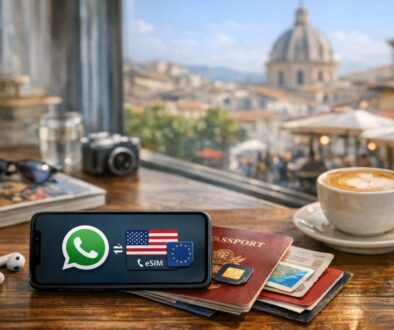
Yes, in many cases you can use your regular SIM and a Europe eSIM together. For most travellers, that means keeping your home number active for calls or texts while using a Europe eSIM for affordable mobile data.
The exact setup depends on your phone, your carrier, and how your SIM settings are configured. If you want to avoid roaming surprises and still stay reachable on your regular number, a Europe eSIM is often the cleaner option.
For travellers planning a trip to Europe, Roamzy Connect’s Europe eSIM plans are worth considering because they let you use travel data without relying on expensive traditional roaming. If you need reliable data for maps, messaging, hotel check-ins, and airport transfers, that can make life a lot easier.
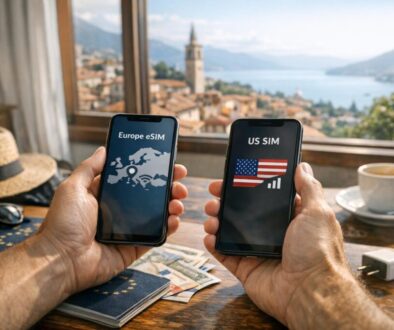
Quick answer: if your phone supports dual SIM or eSIM + physical SIM, you can usually keep both lines active at the same time. In practice, your Europe eSIM is typically set as the data line, while your regular SIM stays on standby for calls and SMS.
That setup works well for travellers who want to keep their home number available without using it for data abroad.

Can You Use a Regular SIM and a Europe eSIM at the Same Time?
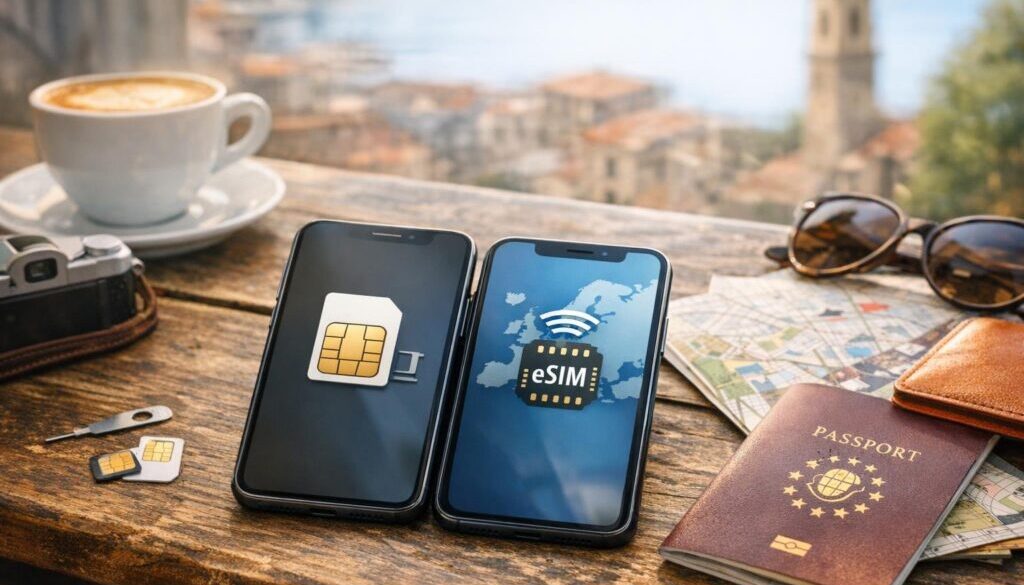
In many cases, yes. A dual-SIM phone can often hold two active lines: one physical SIM and one eSIM. That means your regular SIM and your Europe eSIM can sit on the same device at the same time.
What “at the same time” actually means varies by phone model. On many modern phones, both lines can remain active, but you choose which one handles mobile data. Some phones also let you choose which line is used for calls and texts.
This is especially useful for travellers who want to keep their usual number available for bank verification codes, family calls, or SMS while using the Europe eSIM for internet access.
How dual SIM phones handle two lines
Most dual-SIM phones do not use both lines for the same job automatically. Instead, you decide:
- which line is used for mobile data
- which line is used for calls
- which line handles SMS
- whether one line should be turned off temporarily
That flexibility is what makes the setup so practical for international travel.
What “at the same time” usually means
For most travellers, it means your regular SIM stays installed and active, but the Europe eSIM becomes the line that uses data abroad. You can still receive calls or texts on your regular number if your carrier and phone support it, although roaming terms may still apply.
If you only need your home number for occasional SMS or calls, this is usually the most convenient balance.
What Happens to Calls, Texts, and Mobile Data?
This is the part that matters most. The experience is different depending on how you configure the phone, but the general rule is simple: your Europe eSIM should be the data line if you want to reduce roaming costs.
Which SIM is used for data?
Usually, only one line is set for mobile data at a time. If you choose the Europe eSIM for data, your apps, maps, web browsing, ride-hailing, and messaging apps should use that connection instead of your home SIM’s roaming data.
This is the main reason travellers buy a Europe eSIM in the first place.
Can your regular number still receive calls and SMS?
Often, yes. Many phones can keep your regular SIM active for incoming calls and texts while the eSIM handles data. That can be handy if you need:
- bank or two-factor authentication codes
- calls from family or work
- texts to your home number
But there is a catch: receiving or making calls and texts on your regular SIM while abroad may still trigger roaming charges, depending on your carrier’s rules.
What happens if both SIMs are set to roam?
If you leave roaming enabled on your regular SIM and also use data on that line, you could be charged by your home carrier. That is why it is important to check your phone settings before you leave and turn off data roaming on the regular line if you do not want it used for internet access.
For most travellers, the safer setup is:
- regular SIM: active for calls/texts only, if needed
- Europe eSIM: set as the data line
- data roaming on the regular SIM: off
What You Need for This Setup to Work
Using your regular SIM and a Europe eSIM together is straightforward once you have the right phone and the right settings.
1. A dual-SIM or eSIM-compatible phone
Your phone must support eSIM, and in most cases dual-SIM functionality as well. Many newer iPhones and Android phones do, but support varies by model and region. Before travel, check your device specifications rather than assuming it works.
2. An unlocked phone
If your phone is carrier-locked, you may not be able to use another provider’s eSIM. An unlocked phone gives you the flexibility to add a Europe eSIM before you leave.
3. A plan that matches your trip
If you are visiting several countries, a Europe eSIM is usually more practical than buying a separate local SIM for each stop. If you are only going to one country, a country-specific plan may be enough.
4. The right phone settings
Even when the hardware supports both lines, the phone still needs the right configuration. That usually means selecting the Europe eSIM for mobile data and disabling roaming on your home SIM if you do not want surprise charges.
Ready to Stay Connected?
Compare Roamzy’s Europe eSIM options and choose a plan that suits your trip.
How to Avoid Unexpected Roaming Charges
If you use your regular SIM and a Europe eSIM together, the biggest risk is not the eSIM itself. It is accidental roaming on the wrong line.
Turn off data roaming on your regular SIM
This is one of the most important steps. If your home SIM is left on for data roaming, your phone may use it in the background without you noticing. App updates, cloud backups, and map loading can all burn through roaming data fast.
Set the Europe eSIM as your data line
Make sure your travel eSIM is the selected data line before you land. That way, your phone uses the Europe eSIM for internet access instead of your home SIM.
Keep your home SIM active only if you actually need it
If you only need your home number for occasional verification texts, you can leave it active and use the Europe eSIM for everything else. If you do not need calls or texts at all, turning the regular SIM off entirely can reduce the risk of accidental charges.
Watch out for Wi-Fi calling and SMS behaviour
Some travellers rely on Wi-Fi calling or text verification while overseas. That can work well, but it depends on your carrier and your device. Check your provider’s current international terms before you travel, especially if you expect to receive sensitive bank codes by SMS.
For official guidance on avoiding roaming surprises, it is also sensible to check your carrier’s support pages and your phone manufacturer’s SIM settings documentation before departure.
Is a Europe eSIM Better Than Roaming?
For many travellers, yes. A Europe eSIM is often the simpler option because it gives you travel data without relying on your home carrier’s roaming rates.
When a Europe eSIM is the smarter option
- You want predictable travel data
- You plan to use Google Maps, Uber, WhatsApp, or translation apps often
- You are visiting multiple European countries
- You want to keep your home number active without paying full roaming data charges
- You do not want to deal with swapping physical SIM cards
When roaming might still make sense
Roaming can still be useful if your carrier includes a good international package, you barely use data, or you only need your phone briefly while abroad. But for most travellers using maps, messaging, and transport apps every day, a Europe eSIM is usually easier to manage.
| Option | Best for | Main advantage | Main drawback |
|---|---|---|---|
| Regular SIM roaming | Short, light-use trips | No need to change phone settings much | Can be expensive and harder to control |
| Regular SIM + Europe eSIM | Most travellers | Keep your home number while using travel data | Needs correct setup to avoid roaming charges |
| Europe eSIM only | Travellers who do not need their home SIM | Simple, clean setup | Your home number may be inactive for calls or SMS |
Can You Keep WhatsApp, iMessage, and Apps Working Normally?
Usually, yes. In most cases, apps like WhatsApp, iMessage, Google Maps, Gmail, and bank apps keep working as long as your phone has data through the Europe eSIM.
That said, some services are tied to your phone number, while others are tied to your Apple ID, Google account, or app login. The app itself usually does not care whether the data comes from your regular SIM or your Europe eSIM.
What matters is that the phone has a stable data connection.
Practical examples
- Google Maps: uses the Europe eSIM for live navigation
- WhatsApp: keeps working over data as normal
- Bank apps: may still send SMS verification to your home number
- iMessage/FaceTime: often continue working, but you should check your Apple settings before travel
Which Travellers Benefit Most From This Setup?
This setup is ideal for travellers who want flexibility without paying for unnecessary roaming.
Short-term tourists
If you are visiting Europe for one to three weeks, using your regular SIM and a Europe eSIM together can keep things simple. Your home number stays available, and your data stays under control.
Digital nomads and business travellers
If you need reliable data for meetings, emails, maps, and messaging, the Europe eSIM handles the heavy lifting while your regular number stays reachable for important calls or texts.
Families and first-time eSIM users
Families often prefer this setup because it reduces roaming anxiety. First-time eSIM users also like it because they can keep their familiar SIM in place while testing how the travel eSIM works.
Travellers who need their home number
If your work, bank, or family contact still depends on your regular number, using both lines is a practical compromise.
How to Get Started With Roamzy Connect
If you want to use your regular SIM and a Europe eSIM together, the easiest approach is to set up the travel eSIM before you leave.
1. Choose a Europe eSIM plan
Start with a plan that matches your trip length and data needs. If you are moving across several countries, a Europe eSIM is usually the most convenient option.
2. Install it before departure
Installing your eSIM before you travel gives you time to confirm that your phone recognises it and that the setup is correct.
3. Set your data line correctly
Once installed, make the Europe eSIM your mobile data line and turn off data roaming on your regular SIM unless you specifically need it.
4. Test it on arrival
When you land, check that your phone is using the Europe eSIM for data. Open maps, send a message, and confirm everything is working before heading into the city.
Ready to Stay Connected?
Compare Roamzy’s Europe eSIM options and choose a plan that suits your trip.
Roamzy Travel Tip™: Before you fly, take two minutes to label your SIMs in your phone settings. Call one line “Home” and the other “Europe eSIM”. That small step makes it much easier to avoid choosing the wrong data line when you are tired after a long flight.
Final Answer: Yes, You Can Often Use Both
So, can I use my regular SIM and a Europe eSIM together? In many cases, yes. If your phone supports dual SIM or eSIM + physical SIM, you can usually keep your regular number active while using the Europe eSIM for data.
That setup is popular because it gives travellers the best of both worlds: your home number stays reachable, and your travel data is separate from roaming.
The key is to set the Europe eSIM as your data line and make sure your regular SIM does not quietly use roaming data in the background. Once that is done, this is one of the easiest ways to stay connected in Europe.
If you want a practical, travel-friendly option before you go, Roamzy Connect’s Europe eSIM plans are built for exactly this kind of trip.
Frequently Asked Questions
Can I use my regular SIM and a Europe eSIM together on any phone?
No. You need a phone that supports eSIM and, in most cases, dual-SIM functionality. Check your device specifications before buying.
Will my regular number still work in Europe?
Often yes for calls and texts, but roaming charges may still apply depending on your carrier and your settings.
Which SIM should I use for mobile data?
In most cases, set the Europe eSIM as your data line so your travel internet does not come from your home carrier’s roaming.
Do I need to turn off my regular SIM?
Not always. Many travellers leave it active for calls and SMS, but turn off data roaming on that line to avoid surprise charges.
Can I still use WhatsApp with a Europe eSIM?
Yes. WhatsApp usually works normally as long as your phone has data from the Europe eSIM.
Is using both SIMs better than roaming?
For many travellers, yes. It gives you more control over data use and can help reduce roaming costs.
Should I buy a Europe eSIM before I leave?
Yes. Installing it before departure helps you avoid stress on arrival and makes it easier to confirm everything works before you travel.